












Cold Weather Do’s and Don’ts for Heavy Equipment

The first hard freeze tends to find every weak spot on a machine in the same morning. Fuel gels. A tired battery quits. A coolant mix that was fine in July isn’t fine in January.
Most of it is preventable, and most of the prevention is cheap. This is the cold weather list the RTL Equipment service department hands to customers across Iowa and Minnesota, organized by system so you can work through it one machine at a time.
Fuel
Cold fuel problems come down to two things: wax and water. Winter-blend fuel handles the wax. Daily habits handle the water.
Do
- Use winter-blend fuel. It’s less likely to gel.
- Store full portable fuel cans in a temperature-controlled area. That keeps condensation out of the can.
- Drain the water from the fuel filter every day. Do it at shutdown, so the water doesn’t sit in the filter overnight.
- Fill the fuel tank at the end of the working day. A full tank leaves no room for water to condense overnight.
Don’t
- Neglect the fuel filter. It’s the most common place for fuel to gel.
- Forget the water separator on your fuel storage tanks. Drain it every day.
Filters
A filter change is a ten-minute job in October and a miserable one in January. Get ahead of it.
Do
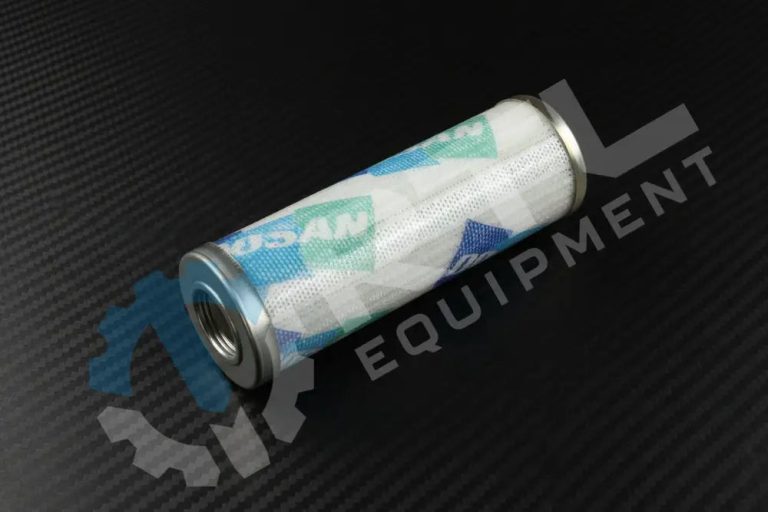
- Change the fuel filter before winter weather sets in. A fresh filter is less likely to freeze, and you avoid doing the job in the cold.
- Keep a spare fuel filter, a spare water separator, or both on hand. It’s often easier to replace a frozen one than to thaw it.
Oil
Oil thickens as the temperature drops. The goal is oil that flows at start-up and still protects the engine once it’s hot.
Do
- Switch to a lighter-weight engine oil for cold weather. A cold engine needs adequate lubrication, especially at start-up.
Don’t
- Use an engine oil lighter than the engine manufacturer recommends. It may not provide adequate lubrication when the engine is hot.
Coolant
The glycol in your coolant is there for a reason. It doesn’t boil off, and it lowers the freezing temperature of the mixture.
Do
- Check your coolant regularly with a hydrometer. It tells you whether the mix still has the freeze protection you need.
Don’t
- Top off the coolant with plain water. Use a proper water and glycol mix every time. You don’t want water freezing in the engine or radiator.
Overcooling
An engine can run too cold. Long periods of idling or excessive airflow can pull it below operating temperature. That causes poor combustion, which shows up as white smoke, higher fuel consumption and an aftertreatment system that doesn’t work efficiently.
Do
- Pay attention to the temperature gauges. If the machine is overcooling, cut back on long idling and check for excessive airflow.
DEF

Diesel exhaust fluid (DEF) is mostly water, so it freezes, at about 12°F. That’s a storage problem, not a machine problem. The part that catches people is the shutdown purge.
Do
- Monitor the DEF level. Try to keep the tank about three-quarters full.
- Manage DEF quality. Choose the highest quality DEF and store it indoors, away from direct sunlight.
- Flush the DEF tank before a summer layup. If the machine won’t be used through the summer months, drain the tank and flush it with deionized water.
Don’t
- Store DEF at below-freezing temperatures. It will freeze.
- Worry about the DEF in the tank on the machine. The system automatically circulates engine coolant to thaw it, so it’s ready when the machine warms up.
- Turn off the master battery disconnect until the DEF is fully purged. The DEF pump runs for 15 minutes after the key is turned off. Machines with Perkins engines may take longer. The red light next to the battery disconnect must be off before you disconnect the battery. Older machines may not have the light.
Regen
A regen needs heat and time to finish. Cutting it short is how a routine cycle turns into a service call.
Do
- Keep operating the machine when the regen light comes on.
Don’t
- Turn off the machine while it’s in regen mode.
Battery
A hot summer encourages corrosion and fluid evaporation. Then cold-weather starts add strain, and that combination can kill a battery.
35%
of its power a battery can lose at 32°F (0°C)
60%
of its power a battery can lose at 0°F (-18°C)
Do
- Test the battery. Batteries should always be fully charged in cold weather.
- Clean the battery connections. Corroded terminals can cause hard starting and charging issues.
- Consider a battery warmer. A “hot plate” type slides under the battery. An “electric blanket” type wraps around it. Either one helps the battery retain its charge.
Don’t
- Ignore your battery. It’s the easiest cold-weather failure to prevent and one of the most common reasons a machine won’t start.
Storage and Starting
Where a machine spends the night decides how the morning goes.
Do
- Park equipment in a sheltered location whenever possible. A heated shelter is best. Simply parking where the wind can’t blow snow and ice into the engine makes a big difference at start-up.
- Let a cold engine warm up for at least five minutes before putting it to work. That gives the coolant, engine oil, hydraulic oil and DEF time to reach operating temperature.
- Consider a block heater. Use the one that’s installed, or add an aftermarket unit. A warm engine is much easier to start and avoids many cold-weather problems.
Don’t
- Use starting fluid without a factory-installed kit. The kit precisely controls the amount used. Simply spraying starting fluid into the air cleaner carries a high risk of fire or even an explosion.
Start-Up and Shut-Down Sequence
If you only share one part of this page with your operators, make it this one.
Start-Up
- Turn the battery disconnect on.
- Turn the machine on.
- Let the machine warm up for at least five minutes.
- Operate the machine.
- If the machine goes into regen, keep operating. Do not turn it off while it is in regen.
Shut-Down
- Turn the machine off.
- Let the DEF pump purge the system. This takes 15 minutes or more.
- Do not turn off the battery disconnect while the red light is still on.
- Once the red light goes off, you can disconnect the battery.
Frequently Asked Questions
How long should heavy equipment warm up in cold weather?
Let a cold engine warm up for at least five minutes before putting it to work. That gives the coolant, engine oil, hydraulic oil and DEF time to come up to operating temperature.
How do you keep diesel fuel from gelling?
Run winter-blend fuel, change the fuel filter before winter sets in, and drain water from the fuel filter and storage tank water separators every day. Fill the tank at the end of the day so water has no room to condense overnight. Keep a spare filter on hand, because the filter is the most common place for fuel to gel.
Will DEF freeze in the machine’s tank?
It can, and that is normal. DEF is mostly water and freezes at about 12°F. The machine circulates engine coolant to thaw the tank, so the DEF is ready once the machine warms up. Stored DEF is a different matter: keep it indoors, above freezing and out of direct sunlight.
Why wait before turning off the battery disconnect?
The DEF pump keeps running for about 15 minutes after the key is turned off to purge the system. Machines with Perkins engines may take longer. Wait until the red light next to the battery disconnect goes out before you disconnect the battery. Older machines may not have the light.
Is it safe to use starting fluid on a diesel engine?
Only if the engine has a factory-installed kit that precisely controls the amount used. Spraying starting fluid into the air cleaner carries a high risk of fire or even an explosion.
Next Step
Want a technician to go through fuel, coolant, DEF and batteries before the first freeze? Schedule service with RTL. Need fuel filters, water separators, coolant or DEF on the shelf? Request parts or shop parts online. Or call the branch nearest you.
- Swisher, IA (Cedar Rapids area): 319.391.5471
- Grimes, IA (Des Moines area): 515.986.0262
- Big Lake, MN (Twin Cities area): 763.220.6528
- Crescent, IA (Omaha area): 402.534.1234