



Mobile Crusher Buyer’s Guide: Jaw vs. Impact vs. Cone, Tracked vs. Wheeled
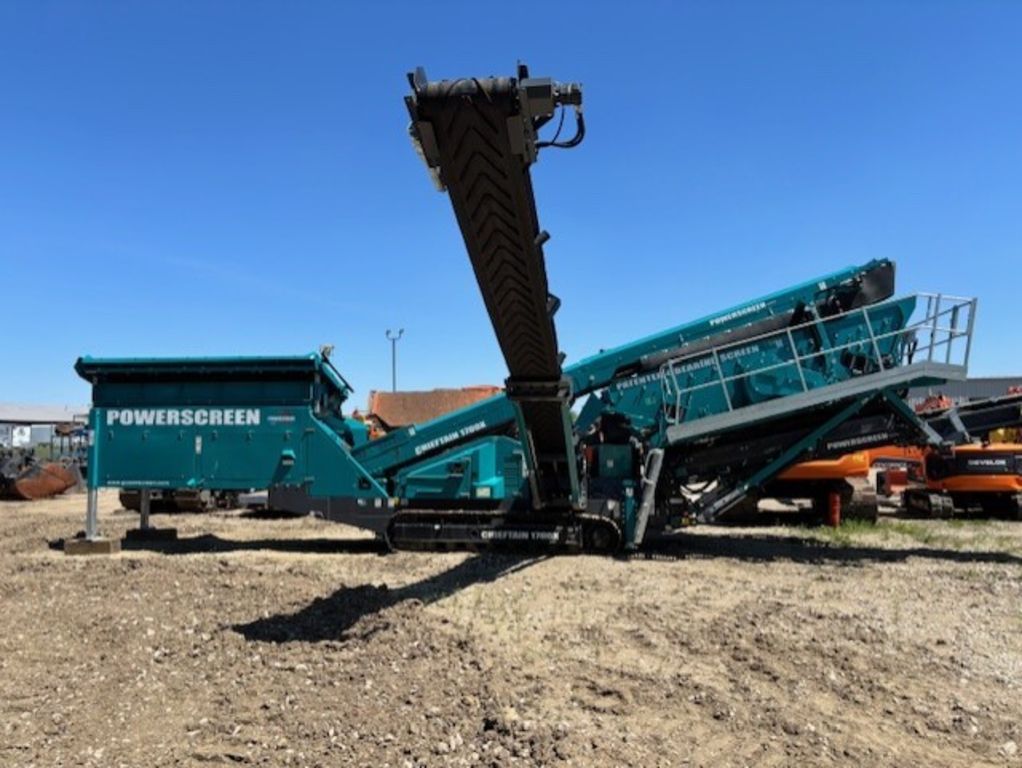
The right mobile crusher depends on two questions: what goes in, and what has to come out. Feed size, hardness and abrasiveness decide the crusher type. How often the plant moves decides tracks or wheels. RTL Equipment sells and supports Powerscreen, EvoQuip and MAGNA crushing equipment, and also supports Inertia wheeled impactors. This guide walks through how we help customers choose.
Key Takeaways
- Jaw: the first stage for large feed and hard, abrasive rock.
- Impactor: high reduction and cubical shape in one stage, when the material isn’t too abrasive. Common for limestone, concrete and asphalt.
- Cone: smaller, consistent aggregate from hard or abrasive rock, usually after a jaw.
- Tracks move the plant around the site. Wheels make it easier to tow between sites. Neither one decides capacity or product quality.
When to Choose a Jaw Crusher
Choose a jaw when the first problem is large feed or hard, abrasive material. Typical examples are blasted granite, large quarry rock, or concrete that needs a first reduction before further processing.
Advantages
- Handles large pieces and gives a dependable first crushing stage.
- Usually better wear economics than an impactor in abrasive primary work.
- Makes relatively few fines, which helps when you want to keep coarse material.
Disadvantages
- Product can be more elongated or flaky, depending on the rock and settings.
- Often needs a cone or impactor downstream to reach smaller sizes and the right shape.
- Tightening the jaw setting doesn’t turn it into a finishing circuit.
Example: A granite quarry feeding large blasted rock and selling several smaller aggregate sizes would normally start with a jaw, followed by a cone and a screen.
When to Choose an Impact Crusher
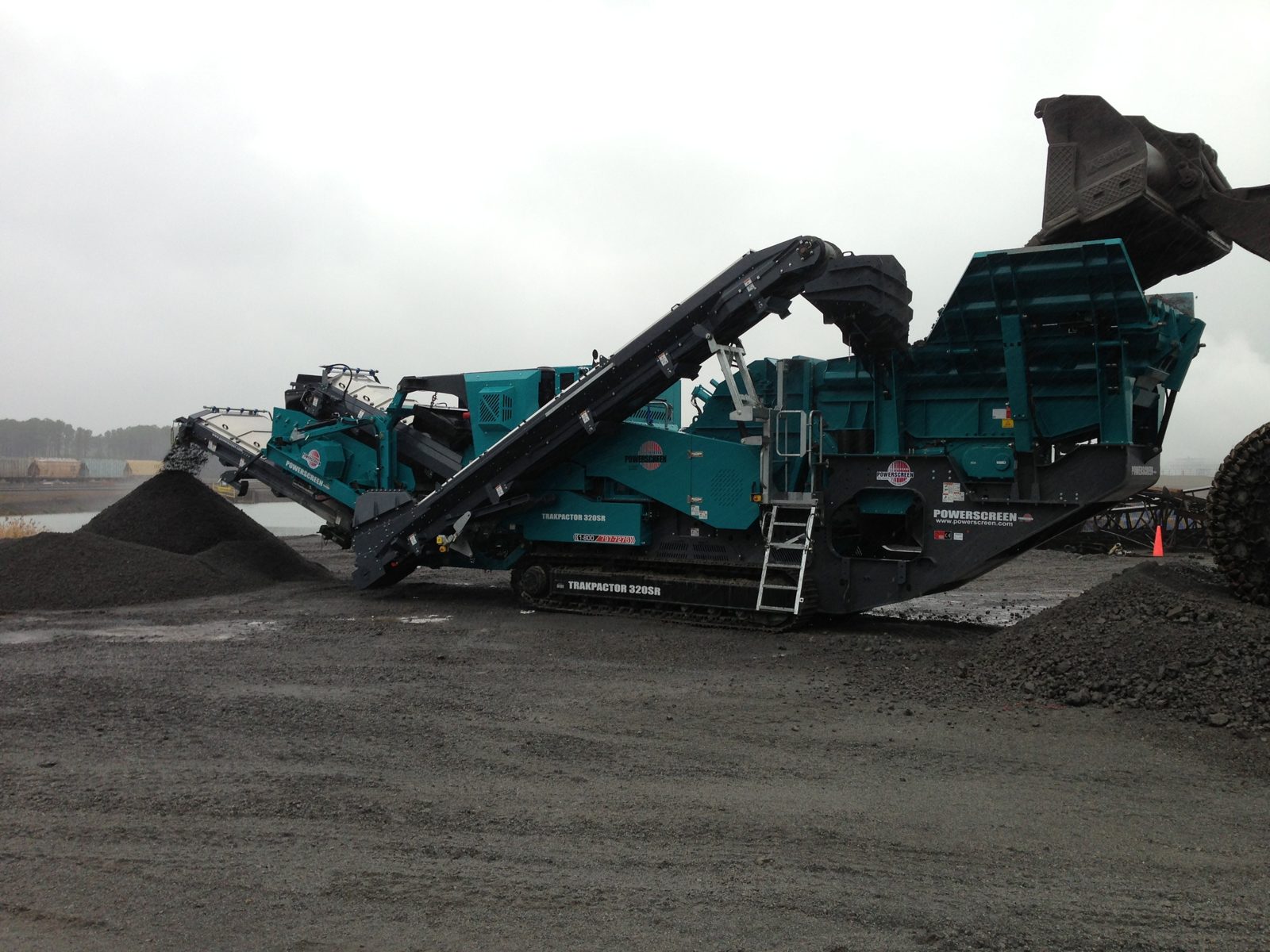
Choose an impactor when product shape, a big size reduction and a simpler circuit are the priorities, and the material’s abrasiveness keeps wear costs acceptable. Typical applications are limestone, concrete recycling and asphalt recycling.
Advantages
- High reduction in one stage.
- Generally produces a good cubical shape.
- An onboard screen and return conveyor can make a controlled top-size product in one plant.
- Can reduce the number of machines needed for the right applications.
Disadvantages
- Abrasive stone can wear out blow bars and apron liners quickly.
- Generally makes more fines, which may have limited value.
- Blow bar choice, rotor speed and apron settings strongly affect cost and product.
- High recirculation can cut finished-product output.
Example: A contractor making screened recycled base from prepared concrete may find a closed-circuit impactor an effective single-plant solution. Concrete made with hard, abrasive aggregate still needs a careful look at wear costs.
For more on blow bars, see our guide to when to replace jaw dies, blow bars and cone liners.
[Tim: update this link once the wear parts post has its final URL.]
When to Choose a Cone Crusher
Choose a cone when the customer needs smaller, consistent aggregate from hard or abrasive material, normally after a jaw.
Advantages
- Usually more economical than impact crushing for steady production from hard, abrasive rock.
- Well suited to secondary and tertiary reduction.
- Can produce good shape when the chamber, setting and feed are right.
Disadvantages
- Smaller feed opening than a primary jaw.
- Needs a steady, well-distributed feed. Choke feeding supports shape and efficiency.
- Sensitive to poor feed preparation and uncrushable material.
- Often needs a feeder or surge setup, a screen and a return circuit.
Example: A sand-and-gravel producer crushing hard oversize into smaller saleable stone would usually screen the feed first and send the right oversize to a cone.
Application Guide
These are starting points. Every recommendation depends on testing your material and the products you need to sell.
| Your application | Likely starting choice | Why |
|---|---|---|
| Large, abrasive blasted rock | Jaw → cone → screen | Takes large feed, then finishes economically |
| Low-abrasion limestone for road base | Impactor, often with screen and return | Strong reduction, and the fines are useful |
| Prepared concrete into recycled base | Impactor with magnet and screen/return | Reduction, shaping and sizing in a compact circuit |
| Very large concrete with heavy rebar | Jaw for first reduction, then assess downstream | Feed preparation and steel removal come first |
| Hard river gravel into smaller aggregate | Screen → cone → screen | Controlled feed and economical crushing of abrasive rock |
| Clean, single-size stone with a strict fines limit | Look at a jaw and cone circuit first | Fewer fines than an impactor |
Hardness and Abrasiveness Are Different
A material can break easily and still wear metal fast. Rock names alone aren’t enough to choose a crusher. Concrete and asphalt also inherit abrasiveness from the aggregate inside them.
Silica is the usual culprit. Terex’s crusher wear parts guide lists silica, aluminum oxide and iron oxide as the three main abrasives in rock. It also shows how wide the range is within a single rock name. Gravel, for example, runs from 300 to 2,500 grams of metal lost per ton on the French abrasiveness test.
Tracked vs. Wheeled Plants
The main difference is movement around the jobsite versus transport between jobsites. Tracks make a plant self-propelled on site. A suitable wheeled chassis can make road moves simpler.
| Factor | Tracked | Wheeled |
|---|---|---|
| Moving around the site | Self-propelled; easy to follow the face or change the layout | Usually needs a tractor or other towing equipment |
| Moving between sites | Normally needs a lowboy or suitable trailer | May tow directly, depending on chassis, axle loads, dimensions and permits |
| Setup | Often quick, with built-in folding equipment | Can also be quick; usually needs positioning, leveling and supports |
| Ground conditions | Better for travel over uneven ground, within the maker’s limits | Needs good access and a prepared operating area |
| Maintenance | Adds tracks, rollers, final drives and travel hydraulics | Adds tires, brakes, suspension and chassis upkeep |
| Circuit layout | Easy to reposition individual machines | Suits a circuit that stays in place for a campaign |
| Typical customer | Demolition contractor, rental fleet, short-job contract crusher | Pit or quarry running long production campaigns |
Manufacturers offer both formats because each fits a different operating pattern. Neither format decides crushing capacity or product quality.
Why buy tracked?
Tracks can save money when frequent moves keep the crusher close to the material and cut loader travel or haulage. They’re especially useful on changing demolition sites and short campaigns. The trade-offs are undercarriage upkeep, more onboard systems and arranging transport.
Why buy wheeled?
Wheels suit customers who set up a circuit, run it for weeks or months, then tow it to the next pit. Possible advantages include easier road transport, accessible maintenance and economical long production runs. The trade-offs are needing a tow vehicle and more attention to access, positioning and supports. Actual setup time varies by plant.
Powerscreen built its Gladiator range of wheeled jaw, cone and impact plants for the North American market, with a focus on roadability and fast setup.
Electric power is a separate decision
Wheeled plants often suit electric production circuits, but tracked plants can also offer electric or hybrid drive. Several Powerscreen tracked models, such as the Premiertrak 420E and 1000E Maxtrak, have an onboard generator and can also plug into an external power supply. Compare the actual drive package, available power and fuel costs, not just the chassis.
Example Tracked Models by Crusher Type
To give a sense of scale, here is the Powerscreen tracked range by crusher type. Output figures are Powerscreen’s maximums and depend on the application.
| Type | Powerscreen models | Output potential |
|---|---|---|
| Jaw | Metrotrak, Premiertrak 330, 420E, 450, 600/600E, 760 | 220 to 827 US tph |
| Impact | Trakpactor 230, 260, 290, 320, 480, 550 (most also in SR versions with a recirculating screen) | 275 to 550 US tph |
| Cone | 1000 Maxtrak, 1000SR, 1000E Maxtrak, 1150 Maxtrak, 1300X Maxtrak | 253 to 551 US tph |
Source: Powerscreen Crushing & Screening Range brochure, 2025. The Premiertrak 760 is listed for Tier 3 regions only.
For smaller jobs, EvoQuip builds compact tracked jaw and impact crushers. For large-scale quarry and mining output, MAGNA builds high-capacity jaw, cone and impact crushers. RTL became an authorized MAGNA distributor for Iowa, Minnesota, Nebraska and the Dakotas in October 2025.
Frequently Asked Questions
What is the difference between a jaw, impact and cone crusher?
A jaw crusher squeezes rock between a fixed and a moving plate and handles large primary feed. An impact crusher breaks rock with blow bars on a fast-spinning rotor and gives high reduction and cubical shape. A cone crusher squeezes rock between a mantle and concave and makes smaller, consistent aggregate, usually after a jaw.
Is an impact crusher good for concrete recycling?
Often, yes. An impactor with a magnet and an onboard screen can turn prepared concrete into sized recycled base in one plant. Concrete made with hard, abrasive aggregate will wear blow bars faster, so check wear costs first.
Do I need a jaw before a cone crusher?
Usually. A cone has a smaller feed opening and needs steady, prepared feed. Large blasted rock normally goes through a jaw first. Gravel that is already small enough can be screened and fed straight to a cone.
Should I buy a tracked or wheeled crusher?
Buy tracked if the plant moves often around a site or between short jobs. Consider wheeled if you set up a circuit for weeks or months and tow it between pits. Neither format decides capacity or product quality.
Which crusher makes the fewest fines?
Jaw crushers generally make the fewest fines, and impactors the most. A jaw and cone circuit is usually the first option to look at when fines are tightly limited.
Talk to RTL About Your Crushing Application
Tell us what you’re feeding, what you need to sell and how often the plant moves. We’ll recommend a starting circuit. For bigger decisions, we can arrange gradation testing: we take samples of your material, send them to a lab, and give you an AggFlow plant analysis showing the best machines and expected performance. Browse our inventory, contact us or call the branch nearest you.
- Cedar Rapids area (Swisher, IA)
319.391.5471 - Des Moines area (Grimes, IA)
515.986.0262 - Big Lake, MN
763.220.6528 - Omaha area (Crescent, IA)
402.534.1234
Sources
- Powerscreen, Crushing & Screening Range brochure, April 2025 (models, outputs, electric options).
- Powerscreen, Revolutionizing Mobile Crushing and Screening, October 2024 (Gladiator wheeled range).
- Terex, EvoQuip Crusher Wear Parts Reference Guide (abrasives in rock, French abrasiveness ranges).
- Terex MAGNA, RTL Equipment Joins MAGNA US Distribution Network, October 27, 2025.