








Concrete and Asphalt Recycling Crushers: Choosing a Plant for Rebar and RAP
Recycling concrete and asphalt turns a disposal cost into a product you can sell or reuse on site. The crusher you pick decides how cleanly that works, especially when the concrete is full of rebar. RTL Equipment sells and supports Powerscreen, EvoQuip and MAGNA tracked crushers, and also supports Inertia wheeled impactors. For most recycling jobs we start the conversation with an impact crusher. Here’s why, and where its limits are.
Key Takeaways
- Impactors combine size reduction, cubical shape and steel liberation in one machine, which makes them the usual first choice for recycling.
- The crusher frees the rebar; the magnet removes it. A magnet can’t reliably pull steel that is still encased in concrete.
- An impactor is not a scrap shredder. Prepare the feed: break oversize pieces and cut long bars and mesh first.
- For asphalt, the goal is usually to break slabs and lumps apart without crushing the aggregate into unwanted fines.
Why Impactors Work on Reinforced Concrete
Concrete is brittle. Steel reinforcement is tough and flexible. When the blow bars strike reinforced concrete, the concrete fractures, and repeated impacts break the bond around the steel. That exposes the rebar so a magnet over the discharge conveyor can pull it out.
Step by step:
- Prepare the feed. Break oversized concrete and cut excessive reinforcement.
- Impact crush. Reduce the concrete and free the embedded steel.
- Magnetic separation. Lift the exposed steel off the discharge material.
- Screen and recirculate. Return oversize aggregate to the crusher for another pass.
A real example
EvoQuip published a case study from a factory expansion in Northern Ireland. The contractor broke the largest pieces with an excavator-mounted hammer, leaving feed from 20 to 600 mm. A Cobra 290 impactor crushed the concrete, and its overband magnet removed the rebar.
- The output was a 40 mm minus (about 1.5 inch minus) base layer for a new concrete yard.
- The recovered rebar could be sold as scrap, and the base material didn’t have to be bought and hauled in.
- EvoQuip reported savings of just over £9,000 on the job.
Impactor vs. Jaw vs. Cone for Recycling
| Factor | Impactor advantage | The catch |
|---|---|---|
| Steel liberation | Repeated impacts strip concrete from the reinforcement | Long bars and mesh can wrap around the rotor or block discharge |
| Finished product | Strong reduction and cubical shape suit recycled base | The material still has to meet grading and quality specs |
| Number of machines | A screen and return conveyor can make a finished product in one plant | Large feed or high production can justify a primary jaw |
| Mixed recycling work | One suitable plant can process both concrete and asphalt | Settings and blow bars may need changing between materials |
A jaw is still a good choice for large reinforced concrete and first-stage reduction. Rebar alone doesn’t make an impactor the better primary crusher. In bigger circuits, a primary jaw ahead of the impactor can raise overall production.
A cone is generally a poor first choice for demolition feed with steel in it. Its role is controlled secondary reduction after the feed is prepared and the metal is out.
For a broader comparison, see our mobile crusher buyer’s guide.
Why Impactors Work on Recycled Asphalt
With reclaimed asphalt pavement (RAP), the job is usually to break slabs and bonded lumps into usable fractions, not to crush every stone smaller. An impactor offers:
- High reduction. It breaks large asphalt pieces into smaller material.
- Controlled sizing. Screening and returning oversize produces consistent RAP fractions.
Over-crushing is the main risk. The Federal Highway Administration notes that crushed RAP is generally finer than virgin aggregate crushed with the same equipment. It also reports that virtually all RAP is processed to 1.5 inches or less, with a maximum top size of 2 or 2.5 inches. For RAP going back into hot mix, set rotor speed, aprons and screens to hit the required grading while limiting unnecessary breakdown of the aggregate.
Terex’s blow bar guide lists martensitic ceramic bars for asphalt, and chrome ceramic bars for asphalt with a small feed size and no iron.
Watch the weather. RAP gets sticky when it’s warm, and sticky material means more time spent cleaning the plant. Our customers generally stockpile RAP and crush it in colder weather where they can.
The Limits With Rebar
An impactor is not a scrap-metal shredder. Long loose bars, tangled mesh and heavy steel can damage blow bars, wrap around the rotor, block the discharge or cut belts. Follow the manufacturer’s feed limits for your machine.
Rule of thumb: if a piece of steel is long enough to bridge the feed opening or wrap the rotor, cut it before it goes in. Keep heavy plate, beams and loose mesh out of the feed entirely.
Choosing Blow Bars for Recycling
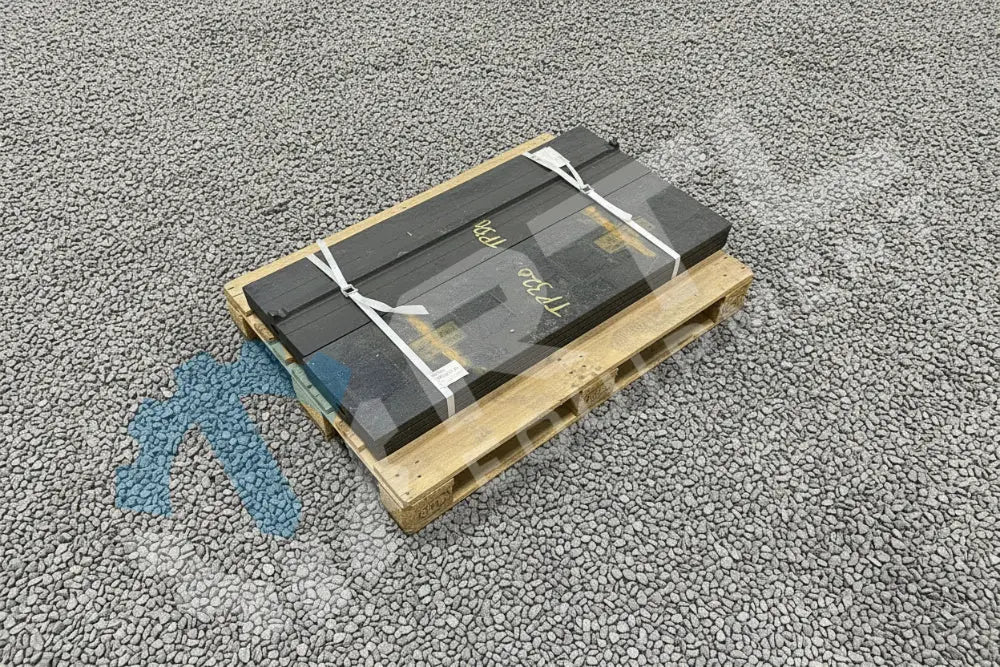
Bar choice depends on steel content, feed size and how abrasive the aggregate in the concrete is. Tougher martensitic bars are commonly used where steel is expected. Don’t choose high-chrome bars on abrasion resistance alone, because they can break when steel gets into the chamber.
| Bar type | Recycling fit | Steel tolerance |
|---|---|---|
| Martensitic | Building rubble and concrete, larger feed | Can tolerate some steel |
| Martensitic ceramic | Asphalt, rubble and concrete with medium abrasion | Avoid steel in feed |
| Toughened chrome | Rubble and concrete with limited steel | Limited steel |
| Chrome ceramic | Asphalt with small feed and no iron | Will not tolerate steel |
Source: Terex EvoQuip Crusher Wear Parts Reference Guide. Check your operator’s manual for maximum feed size.
For wear limits and how to read blow bar wear patterns, see when to replace jaw dies, blow bars and cone liners.
[Tim: update both internal links once the buyer’s guide and wear parts posts have final URLs.]
“An impactor can turn prepared concrete or asphalt into a saleable graded product with fewer processing stages. On reinforced concrete, its particular strength is breaking the concrete away from the steel so the magnet can recover it.”
— Colm McGuckian, RTL Equipment
Frequently Asked Questions
What is the best crusher for concrete with rebar?
An impact crusher with an overband magnet is usually the best all-round choice. Its repeated impacts break the concrete away from the steel so the magnet can pull it out. Very large reinforced pieces may need a jaw first.
Can a crusher remove rebar from concrete?
The crusher frees the rebar, and a magnet over the discharge conveyor removes it. Steel still encased in concrete won’t be picked up reliably, and long bars or mesh should be cut before crushing.
What crusher is best for recycled asphalt (RAP)?
An impact crusher with a screen and return conveyor is a common choice. It breaks slabs and lumps into consistent fractions. Set it up to avoid crushing the aggregate into excess fines.
What size is RAP crushed to?
The Federal Highway Administration reports that virtually all RAP is processed to 1.5 inches or less, with a maximum top size of 2 or 2.5 inches. Your asphalt plant’s mix design sets the exact grading.
When is the best time to crush recycled asphalt?
Cooler weather, where you can. Warm RAP gets sticky and builds up, which adds cleaning time. Our customers generally stockpile RAP and crush it when temperatures drop.
Can I use a cone crusher for concrete recycling?
Not as the first stage. Cones are sensitive to steel and uncrushable material. They can work as a secondary crusher after the feed is prepared and the metal removed.
Set Up Your Recycling Plant With RTL
Tell us what you’re crushing, how much steel is in it and what product you need. We’ll help you size an impactor, magnet and screen setup and pick the right blow bars. Browse our inventory, contact us or call the branch nearest you.
- Cedar Rapids area (Swisher, IA)
319.391.5471 - Des Moines area (Grimes, IA)
515.986.0262 - Big Lake, MN
763.220.6528 - Omaha area (Crescent, IA)
402.534.1234
Sources
- EvoQuip (Terex), Cobra 290 Crushing Concrete case study.
- Federal Highway Administration, Reclaimed Asphalt Pavement: Material Description.
- Terex, EvoQuip Crusher Wear Parts Reference Guide (blow bar selection).